
Philosophy · Essay I
MMXXVI · Miami
The First
Correction.
On instinct, mastery, and the moment desire becomes conscious of its audience.
Jacobim believes children do not make primitive art. Adults make overcorrected art. A child chooses before understanding what the choice says about them. An adult increasingly chooses through the imagined eyes of others.
The moment of correction.
Jacobim calls the moment instinct becomes conscious of its audience the First Correction. Afterward, desire absorbs approval. Objects acquire status. Pleasure becomes something to defend. People learn which preferences make them appear intelligent, cultivated, rebellious, or rich.
Eventually, they experience the imitation as identity.

Fig. i — The artist, age six, mid-choice.
Photograph, undated.
Most people never discover what they want. They discover whose wanting they trust, then mistake the imitation for a self.
The impossibility of return.
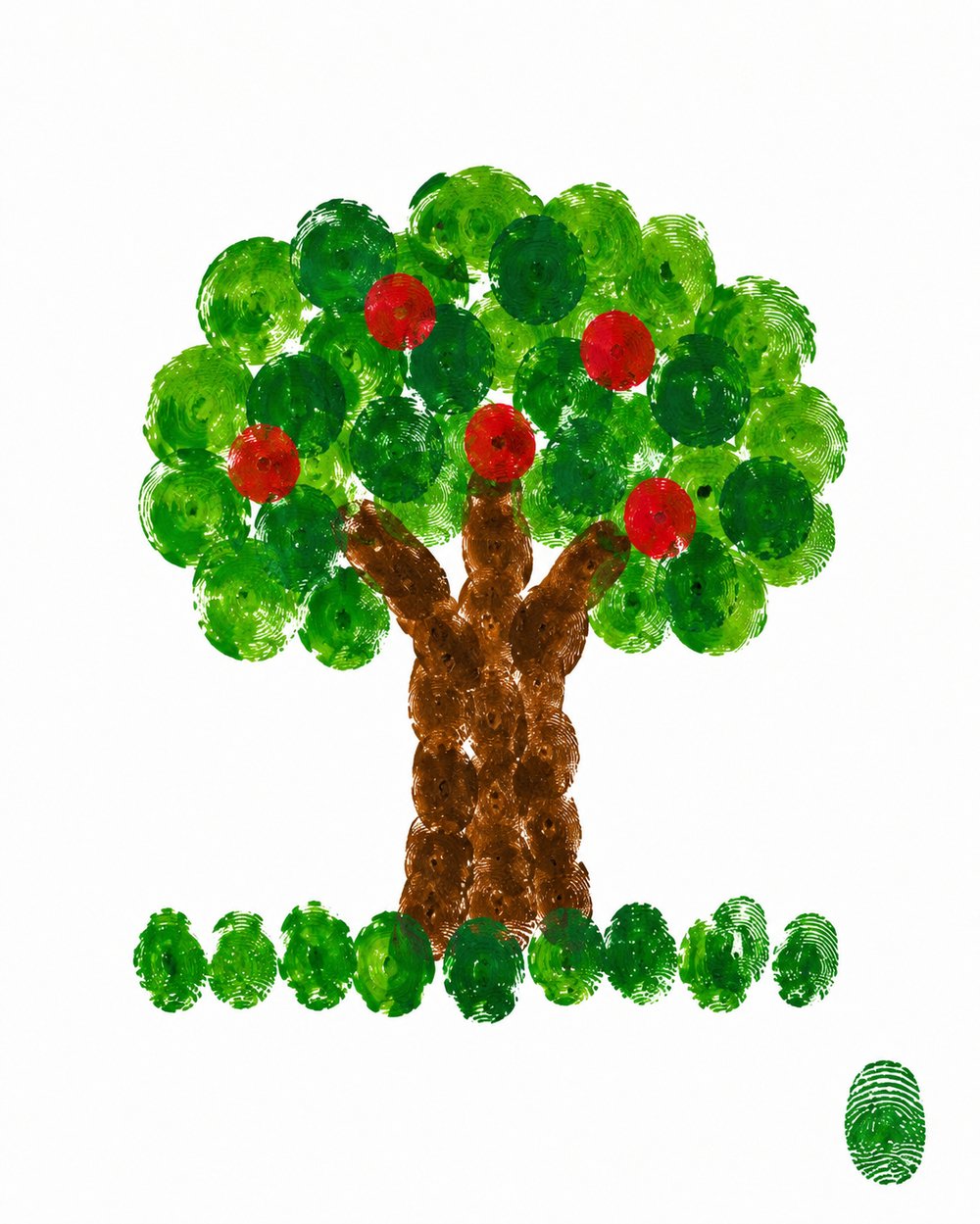
Jacobim does not seek a return to childhood. He considers that impossible. Pretending otherwise would merely turn childhood into another adult performance.
His question is whether instinct can survive mastery without being corrected out of existence.
The three-hundred-sixty-degree turn leaves the question unresolved. Jacobim has imposed extraordinary control on the form of painting most associated with having none. The original turn was perfect because it occurred accidentally. Every later turn carries the burden of knowing what it is trying to become.

Interlude
The first turn happened organically, before I could enter it. Everything since has carried the error of my presence.
On the three-hundred-sixty-degree turn →On the material.
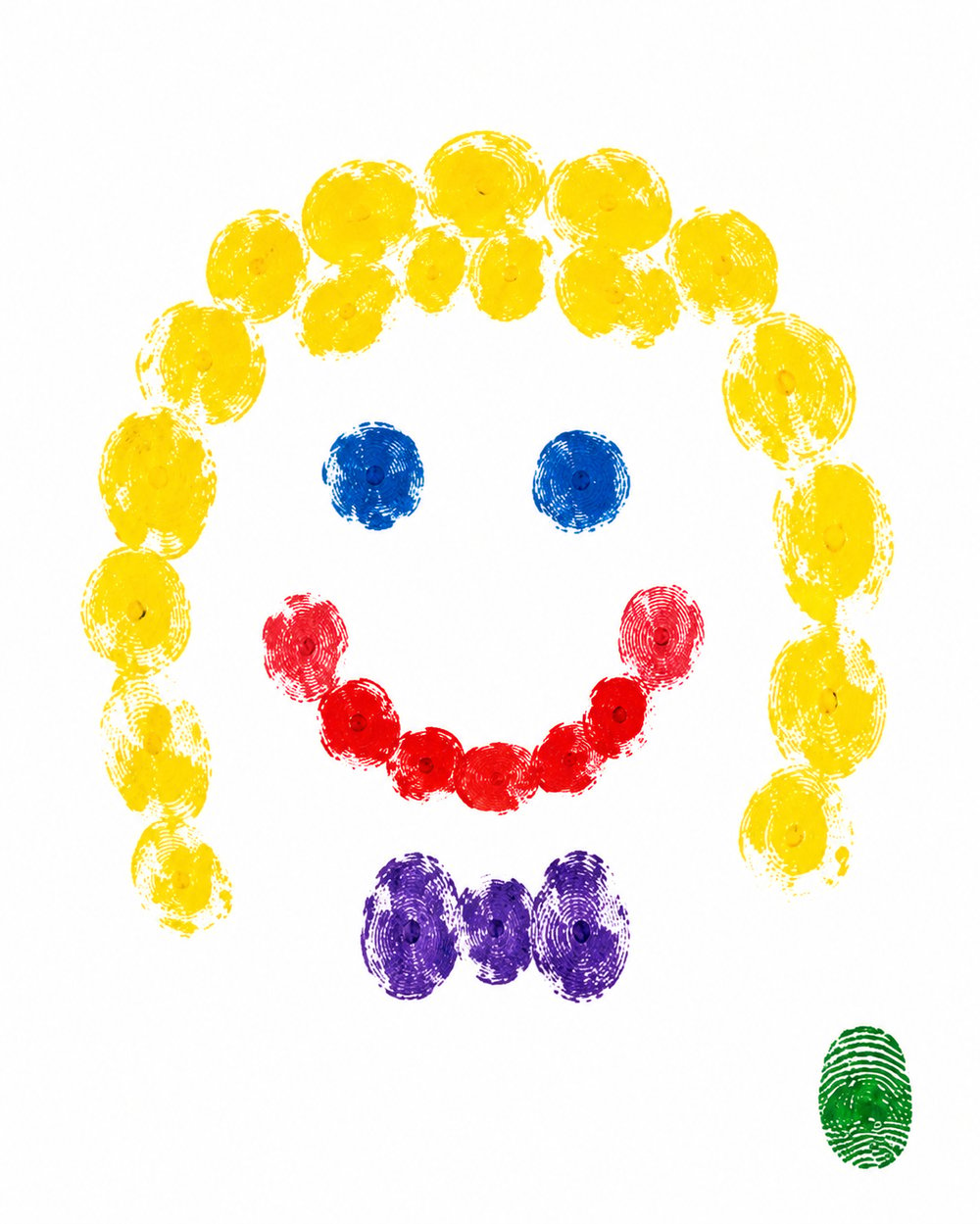
Macaroni appears rarely in Jacobim's mature work, though it has remained part of the practice since childhood. He refuses to enlarge it or cast it in bronze. Either gesture would make the material easier to respect and therefore less revealing.
It remains macaroni. The adjustment is left to the viewer.
A piece of dried pasta possesses curvature, proportion, texture, repetition, and shadow. Viewers who dismiss it do not reject those qualities. They reject what they have been taught the material means.
Jacobim does not argue with them. He regards the speed of their judgment as sufficient evidence.

Coda
The correction is not undone. It is only, on the best days, briefly forgotten — long enough for one finger to arrive at the canvas before the audience does.
— End of Essay I —